
Meal planning is one of those habits that can seem overwhelming at first, but once you get the hang of it, it’s a game-changer. It saves you time, money, and stress while promoting healthier eating habits. Let’s break down three common problems that meal planning can solve and show you how to make it work for you and your family.
Problem 1: Deciding Which Meals to Make
If you’re like most people, figuring out what to cook every day can be a real headache. Here’s a tip: create a running list of your favourite meals. Ask everyone in the family to pitch in ideas, and keep the list somewhere handy—on your fridge, phone, or computer. To keep things fresh, try using themed days like “Meatless Mondays” or “Taco Tuesdays.” This structure can help you plan meals without overthinking. If you’re ever stuck for ideas, check out Instagram or Pinterest for inspiration. With a set list of go-to meals and a weekly structure, you’ll breeze through the planning process.
Problem 2: Knowing Which Foods Are Best for Your Body
It’s not just about what to cook—it’s also about choosing foods that are best for your body. This can be tricky with all the conflicting information out there. Consider working with a nutrition expert, like a Natural Nutrition Coach, to guide you in creating a balanced diet built on nutrient-rich, natural foods. Pay attention to any dietary requirements or restrictions you have, and make sure your meal plan supports your health goals. When you plan meals with these principles in mind, you fuel your body properly and maintain energy throughout the day.
Problem 3: Saving Time with Meal Preparation
Meal planning can be a lifesaver when it comes to saving time. Here are a few strategies to help you get ahead:
Food prep on weekends: Prepare multiple meals and ingredients on the weekend for quick dinner prep. For example, chopping vegetables, roasting chicken breasts, and cooking up a pot of quinoa ahead of time will save loads of time at the end of a long workday.
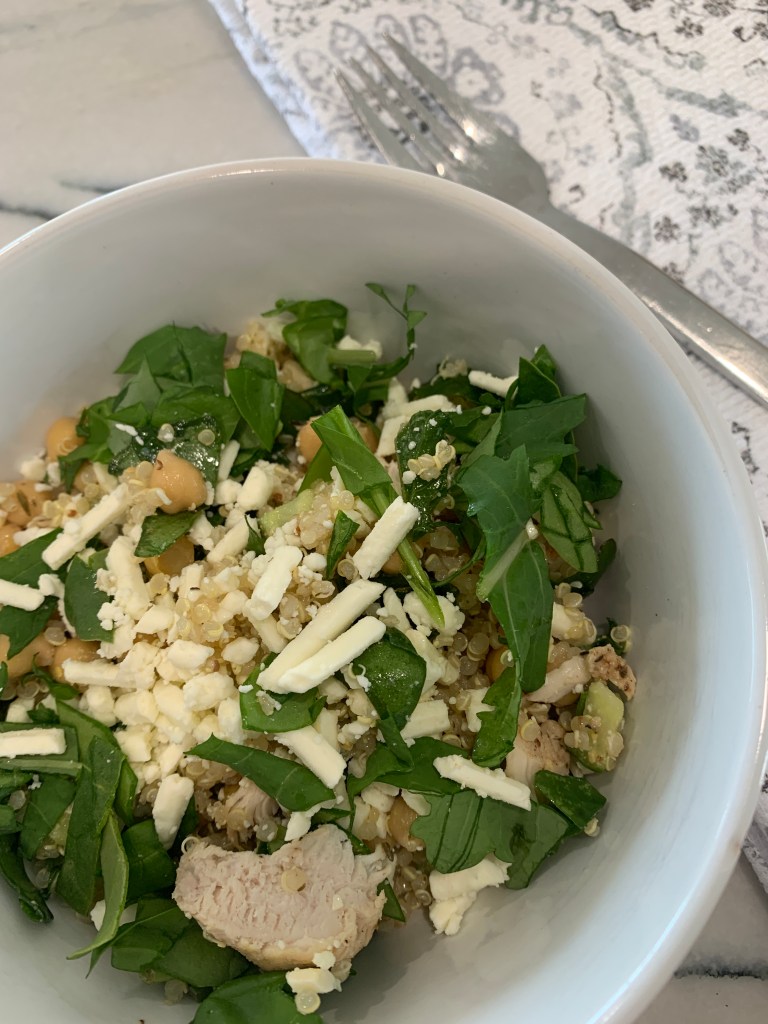
Batch Cooking: Make large portions of 1-pot meals (hearty salads, meals cooked in a crock pot, soup, stew, casseroles like lasagna, or sheet pan meals, for example). Divide these into two or three portions and freeze what you don’t eat right away for future meals. Your family will get at least two meals out of this Mediterranean Quinoa Salad recipe:
Mediterranean Quinoa Salad
1 cup quinoa, uncooked
1 cup raw spinach, kale or arugula
2 cooked chicken breasts, grilled or roasted and chopped into small pieces (leave out the chicken to make this salad vegan)
½ cup raw, baked* or sundried cherry tomatoes (To bake cherry tomatoes, cut them in half, put them in a small baking dish, drizzle a little olive oil over them and bake in the oven or air fryer until soft.)
1 cucumber, diced
½ cup pitted olives, sliced in half (optional)
1 cup feta cheese, crumbled
1 cup or can chickpeas, rinsed
Dressing:
½ cup olive oil
¼ cup red wine vinegar
1 tbsp. Dijon mustard
1 tbsp. maple syrup
¼ tsp. garlic powder or 1 clove fresh garlic, smashed
salt & pepper
Place all ingredients in a mason jar. Shake well and drizzle over salad, vegetables, or use it as a marinade for meat.
In a medium saucepan, boil 2 cups water. Add the quinoa and simmer until cooked (about 10 minutes). In the meantime, chop the vegetables and salad greens, and prepare the dressing. When the quinoa is cooked, give it time to cool down. Place the cooled quinoa in a large bowl and add the vegetables and chickpeas. Drizzle ½ cup (or more to taste) of the dressing over the salad and mix well. Top with crumbled feta and enjoy!
By planning your meals ahead of time, you can solve the problem of what to cook, ensure you’re eating foods that are right for you, and save time on meal prep. With these tips, you’ll find that meal prep becomes much easier, allowing you to focus on other important aspects of your day.
Learn more about designing meal plans for yourself and for others! Foundations of Personalized Meal Planning teaches you:
- How to read and interpret food labels
- Portion sizes
- Which food additives to avoid and why
- The benefits of eating seasonal, organic, non-GMO food
- Organizing and planning a healthy menu for the entire week
- Healthy food preparation and practices, including instructions for soaking and sprouting
- Cooking methods to prevent nutrient losses
- How to overcome barriers to healthy eating, including time and budget constraints, picky eaters, and more
- Specialty diets, diet trends, and menu planning for clients following these diets
- Preparing a weekly grocery list
- And more…
Use code LAUNCHPMP for a 40% discount until July 31, 2024!
Visit www.healthcoachcertificates.com for details.
 Lisa Tsakos, N.N.C., R.H.N.
[…] you can guide your clients through the noise and help them focus on what’s really important: a balanced diet tailored to their unique needs. Whether they’re looking to lose weight, gain muscle, or manage food sensitivities, you can […]
LikeLike